Home Monument types Roman villa
What is a roman villa?
A Roman villa was a rural estate centred on a house built in Roman style, with farm buildings and sometimes workshops; the word is used for both the estate and its buildings. Historic England describes villas as a measure of how far native British society adopted Roman ways.
- Period
- Roman, 1st to 4th centuries AD.
- Also called
- Romano-British villa, villa estate, corridor villa, courtyard villa
- Pages on Waystone
- 50 in England and Wales
What a roman villa is
Villa buildings were built throughout the Roman period, from the 1st to the 4th centuries AD, and many were remodelled over several hundred years. Historic England estimates that between 400 and 1,000 villas are recorded in England; most are 'minor' villas, and fewer than ten are the very large and luxurious 'major' villas. Excavated villas often have masonry walls, mosaic floors, bath-houses and underfloor heating (hypocausts). In Wales, villas and farmsteads are concentrated on the southern coastal fringe, as at Llantwit Major, while the upland interior kept native farmsteads of round houses.
How roman villas look on LiDAR
Most villas lie under ploughed fields and show little on a bare-earth model; where walls survive below the surface, they may show as low rectangular platforms or banks a few tens of centimetres high, outlining rooms, yards and enclosures. A local relief model is the best view for these very low features, and positive openness can sharpen the edges of buried wall lines. Aerial photographs of parchmarks and cropmarks, and geophysical survey, usually show villa plans more clearly than terrain data.
See LiDAR visualisations explained for what each method shows.
What can look like one
Medieval building platforms, post-medieval farm buildings, spoil heaps and stony field-clearance debris can form similar low rectangular features. Romano-British farmsteads and small settlements also show rectangular enclosures without a villa house.
Protection
Villas with significant surviving remains are often scheduled monuments, protected in England by the Ancient Monuments and Archaeological Areas Act 1979 and in Wales by the Historic Environment (Wales) Act 2023.
Examples on the LiDAR
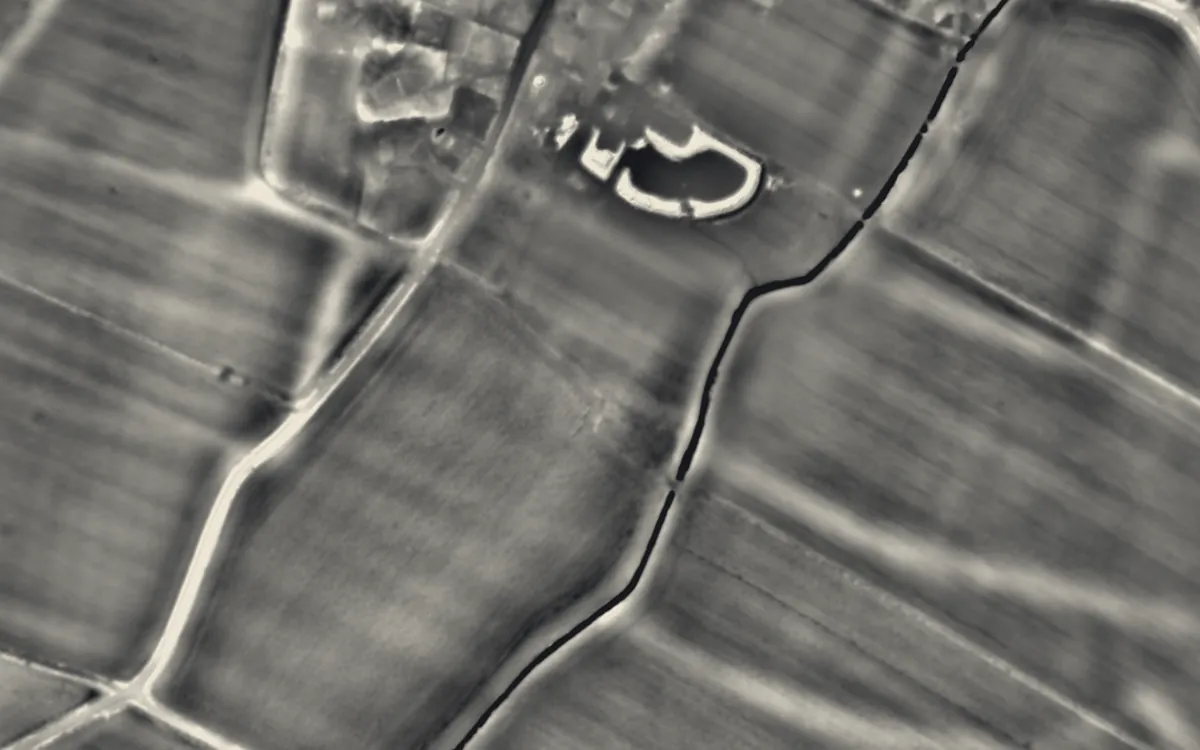 Totternhoe Roman villaBedfordshire
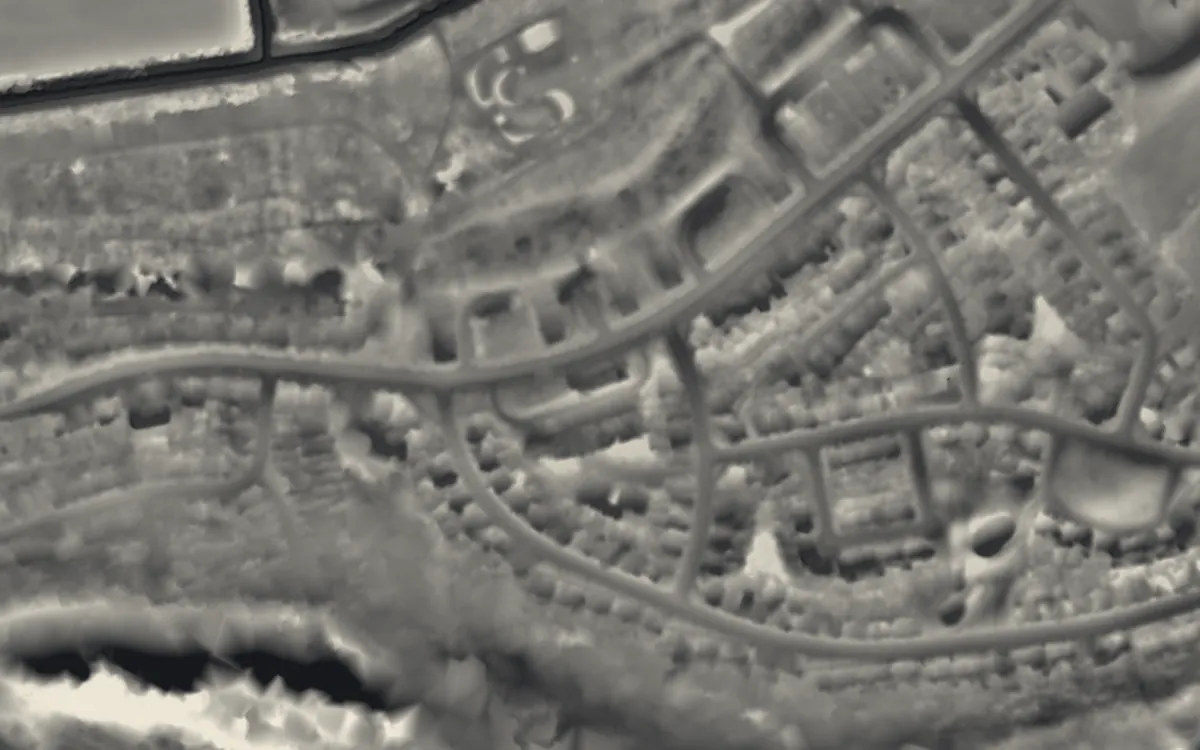 Kings Weston Roman VillaBristol
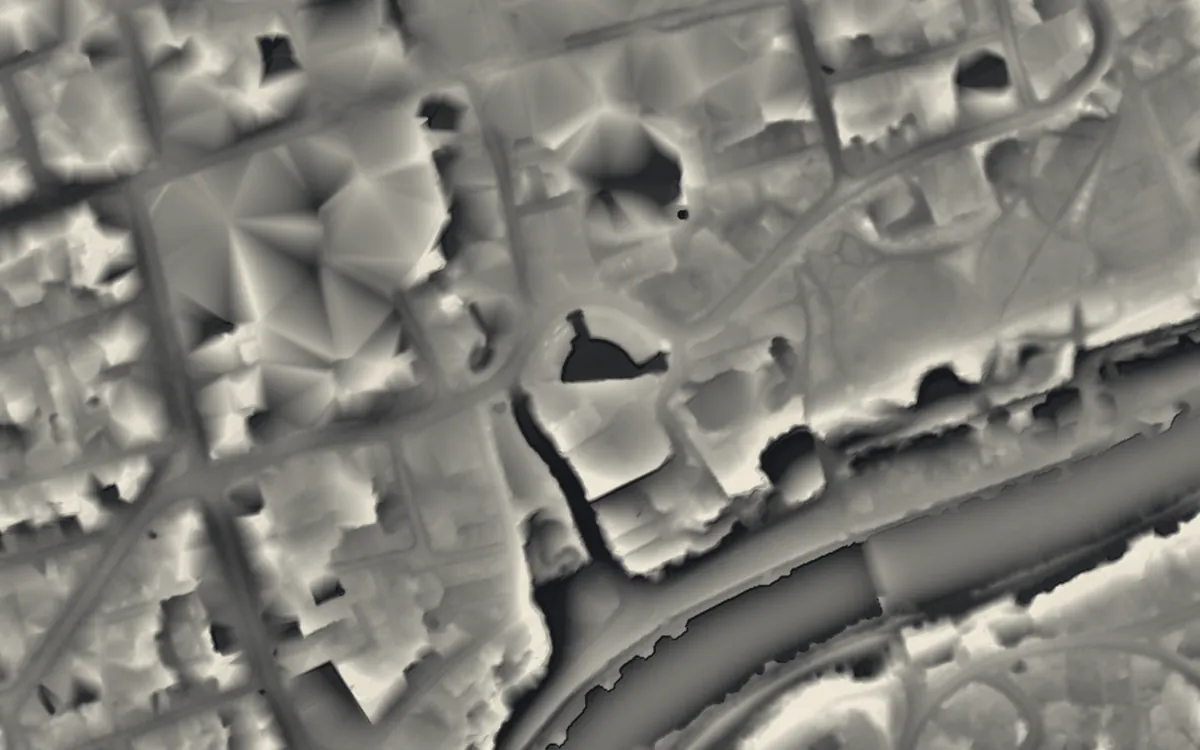 Chester Roman AmphitheatreCheshire
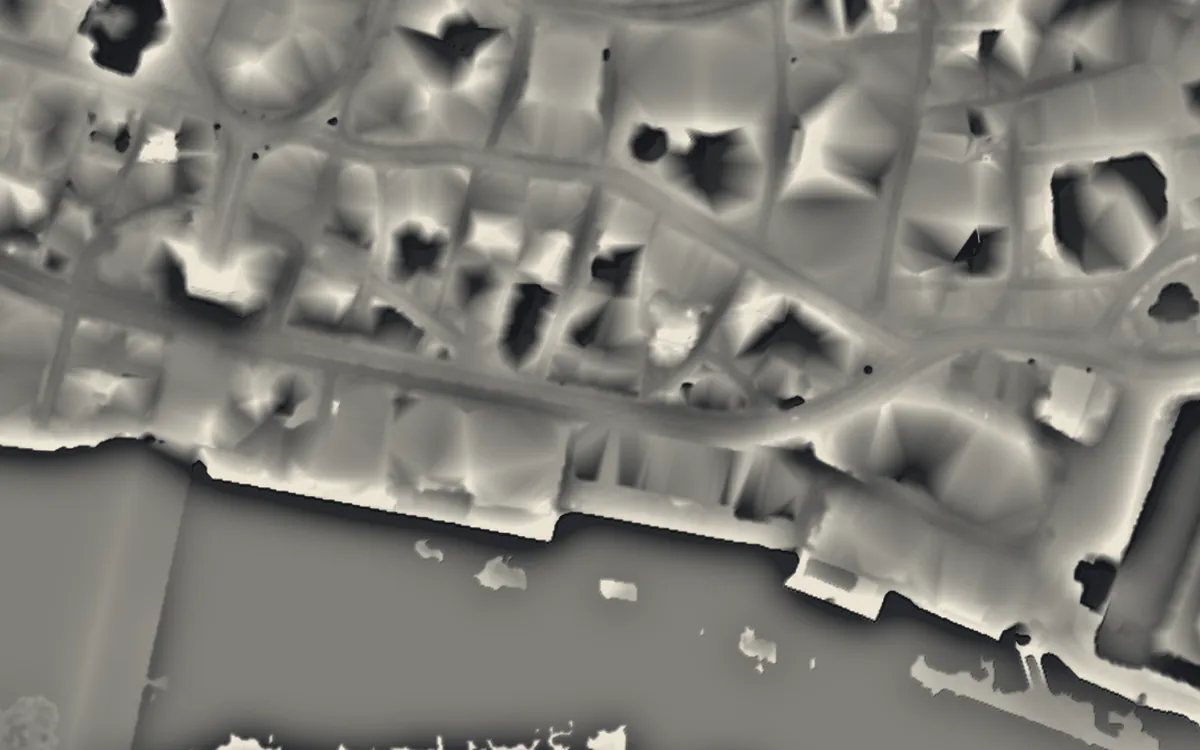 Billingsgate Roman House and BathsCity of London
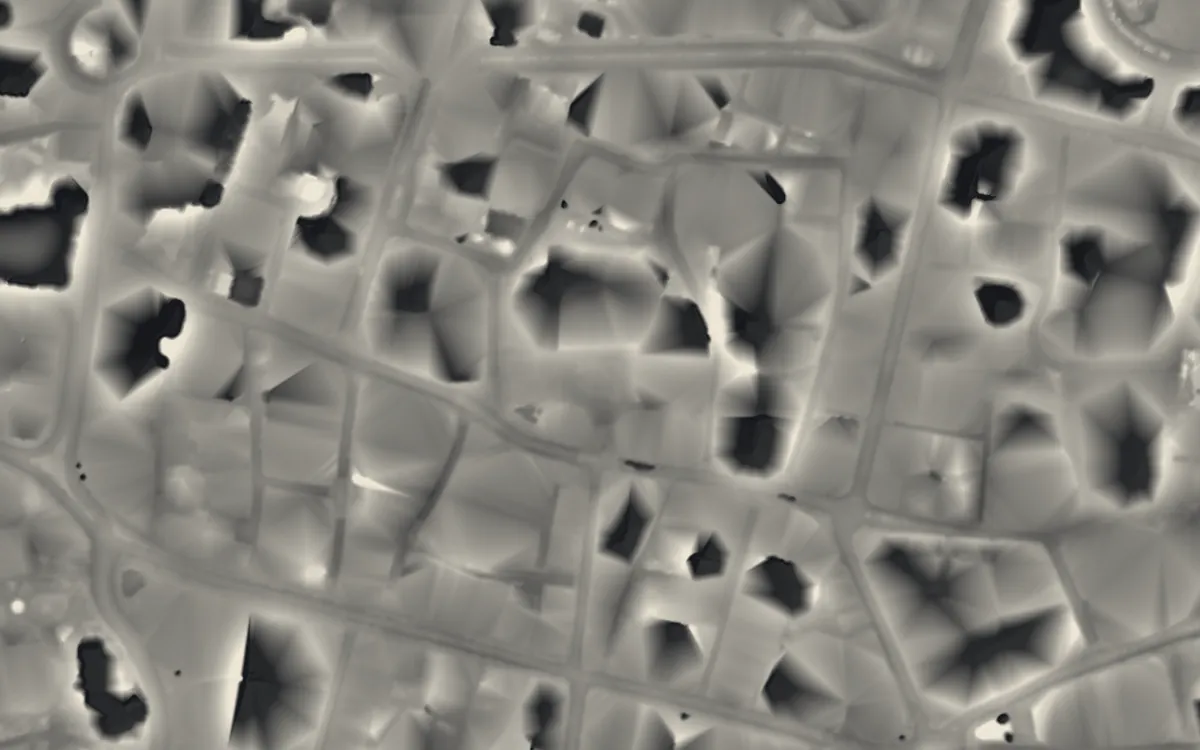 Roman amphitheatre, Guildhall YardCity of London
 Ravenglass Roman Bath HouseCumbria
Where they are
Counties with the most roman villas that have a page here.
- Gloucestershire5 with a page
- North Yorkshire4 with a page
- Hertfordshire3 with a page
- City of London2 with a page
- Dorset2 with a page
- East Riding of Yorkshire2 with a page
- Greater London2 with a page
- Hampshire2 with a page
- Isle of Anglesey2 with a page
- Isle of Wight2 with a page
- Lincolnshire2 with a page
- Oxfordshire2 with a page
- Somerset2 with a page
- West Sussex2 with a page
- Bedfordshire1 with a page
- Bristol1 with a page
- Cheshire1 with a page
- Cumbria1 with a page
- Derbyshire1 with a page
- Devon1 with a page
- Essex1 with a page
- Monmouthshire1 with a page
- Norfolk1 with a page
- Nottinghamshire1 with a page
More examples
- Batham GateDerbyshire
- GrimspoundDevon
- RingmoorDorset
- West RingsteadDorset
- Romano-British villa at Cockle Pits, near BrantinghamEast Riding of Yorkshire
- Rudston Roman villaEast Riding of Yorkshire
- Cressing TempleEssex
- Chedworth Roman VillaGloucestershire
- Cirencester AmphitheatreGloucestershire
- Great Witcombe Roman VillaGloucestershire
- Spoonley Wood Roman villaGloucestershire
- Woodchester Roman VillaGloucestershire
- Crofton Roman VillaGreater London
- SulloniacisGreater London
- Calleva AtrebatumHampshire
- Rockbourne Roman VillaHampshire
- Gadebridge Park Roman VillaHertfordshire
- Lockleys Roman villaHertfordshire
- Welwyn Roman BathsHertfordshire
- Bryn EryrIsle of Anglesey
- Din Llugwy Romano-British VillageIsle of Anglesey
- Brading Roman VillaIsle of Wight
- Newport Roman VillaIsle of Wight
- Ancaster Roman townLincolnshire
- Roman villa immediately east of Horkstow HallLincolnshire
- Venta SilurumMonmouthshire
- Roman villa at Gayton ThorpeNorfolk
- Aiskew Roman villaNorth Yorkshire
- Bainbridge Roman fort and annexeNorth Yorkshire
- Beadlam Roman villaNorth Yorkshire
Sources
- FISH Thesaurus of Monument Types (Historic England): Villa
- Monument Type Thesaurus (Wales), RCAHMW: Villa
- Historic England, Introductions to Heritage Assets: Roman Settlements
- Historic England, National Heritage List entry 1008893: reasons for designation (Romano-British villas)
- Historic England, National Heritage List entry 1011808: Roman villa 450m west of Bury Farm
- Amgueddfa Cymru - Museum Wales: Romans (curatorial collections)
- Relief Visualization Toolbox documentation: Simple local relief model
- Relief Visualization Toolbox documentation: Openness
Last updated 2026-10-16.