
Hookney Tor, Grimspound
✦
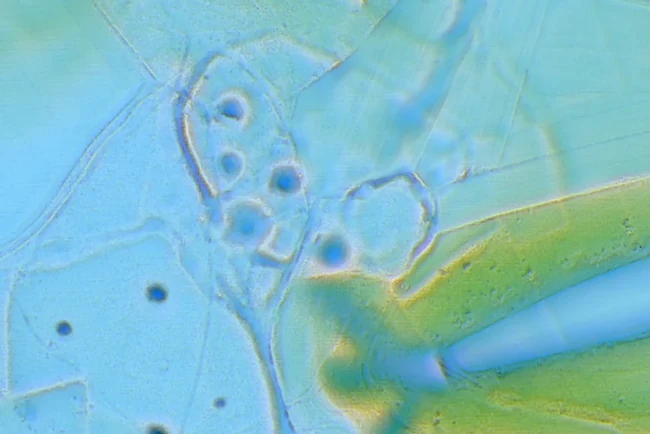
Hookney Tor is on Dartmoor. The national heritage record classifies it as prehistoric, and in the ground around you are the remains of houses where Bronze Age families lived, cooked and died. These were roundhouses, built of stone and timber, their circular footprints still legible on the moor. Each one held a household.
Hut circles are ordinary. No fortress walls, no ritual monument, no name that survives — just the stone rings where people kept themselves warm on the exposed heights of Dartmoor. The tor above them is a natural landmark, visible for miles. Why families settled here the record does not say.
Can you still see which way the doorways faced?
Was this helpful?
Helpful
Not helpful
✦Sources consulted (3)
Keep exploring
What would daily life have looked like inside one of these houses?
Why did Bronze Age people choose to live on exposed moorland?
What other Bronze Age settlements are visible nearby on Dartmoor?