Home Monument types Deserted medieval village
What is a deserted medieval village?
A deserted medieval village is the site of a medieval village that has been abandoned, so that few or no inhabited houses remain. Its remains usually survive as earthworks of house platforms, plot boundaries and hollow ways, often surrounded by ridge and furrow.
- Period
- Medieval; most villages were founded by the 10th century and most desertions took place in the 15th century.
- Also called
- DMV, lost village, deserted settlement, shrunken village, deserted rural settlement (Wales)
- Pages on Waystone
- 17 in England and Wales
What a deserted medieval village is
A village usually consisted of houses on plots called tofts, with gardens or closes called crofts behind them, defined by banks and ditches and laid out along streets that now survive as hollow ways. Historic England's introduction to medieval settlements notes that most villages were established in the 9th and 10th centuries. Desertion had many causes, including population decline from the early 14th century, the conversion of arable land to sheep pasture in the 15th century, and later the clearance of villages to make parks; documentary evidence links few desertions directly to plague. A site with three or fewer inhabited houses is usually counted as deserted, and one with more as a shrunken village. In Wales, abandoned settlements of long huts and house platforms are recorded as deserted rural settlements.
How deserted medieval villages look on LiDAR
A deserted village shows as a pattern of rectangular platforms and banked plots on either side of one or more hollow ways, with the edge of the village marked where the ridge and furrow of its fields stops at headlands. A local relief model is the best view, because the earthworks are usually less than a metre high, and it shows them across a whole parish at once; sky-view factor shows the hollow ways and boundary ditches. Buildings, trees and recent disturbance can hide parts of the plan, and later farms often stand on part of the old village.
See LiDAR visualisations explained for what each method shows.
What can look like one
Post-medieval garden earthworks, paddocks, quarry pits, water-management earthworks and the sites of farms abandoned in recent centuries can look like a deserted village. Shrunken villages, where part of the settlement is still lived in, have the same earthworks on a smaller scale.
Protection
Many deserted medieval villages are scheduled monuments, protected in England by the Ancient Monuments and Archaeological Areas Act 1979 and in Wales by the Historic Environment (Wales) Act 2023, and others are recorded in local Historic Environment Records.
Examples on the LiDAR
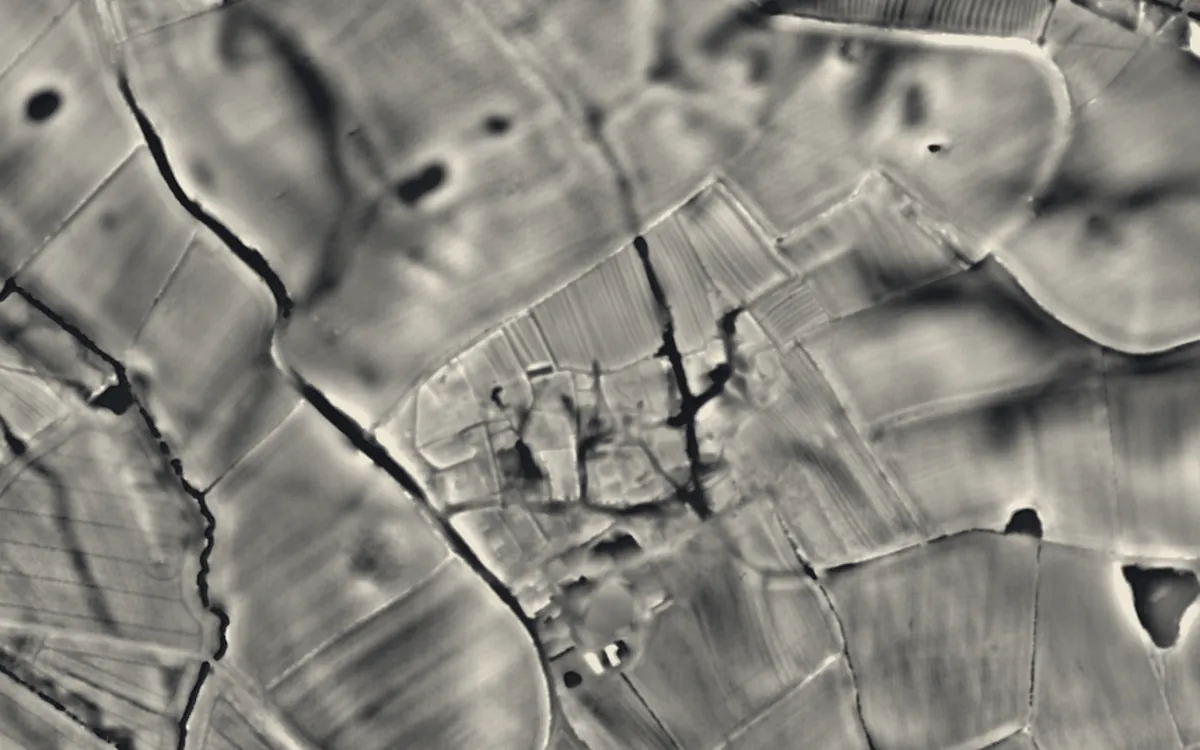 Medieval settlement, including site of chapel and part of the open field system, immediately north east of Alkmonton Old Hall FaDerbyshire
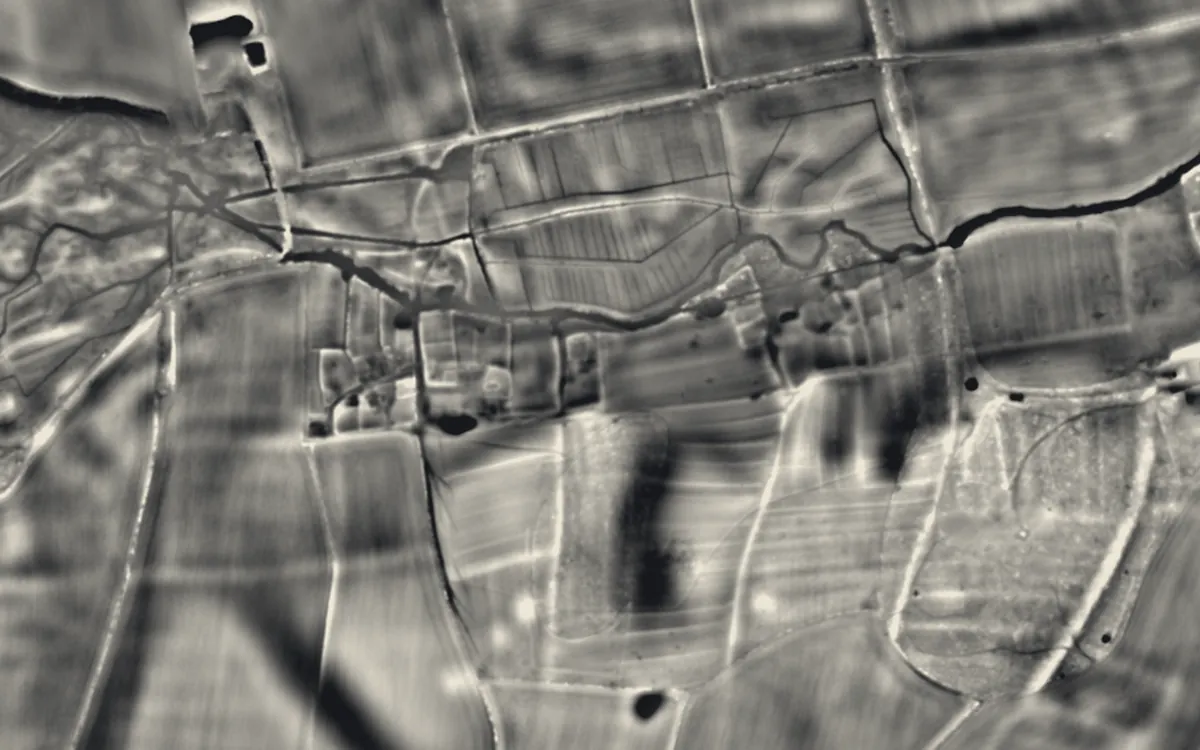 Medieval settlement of Winterborne Farringdon and associated remainsDorset
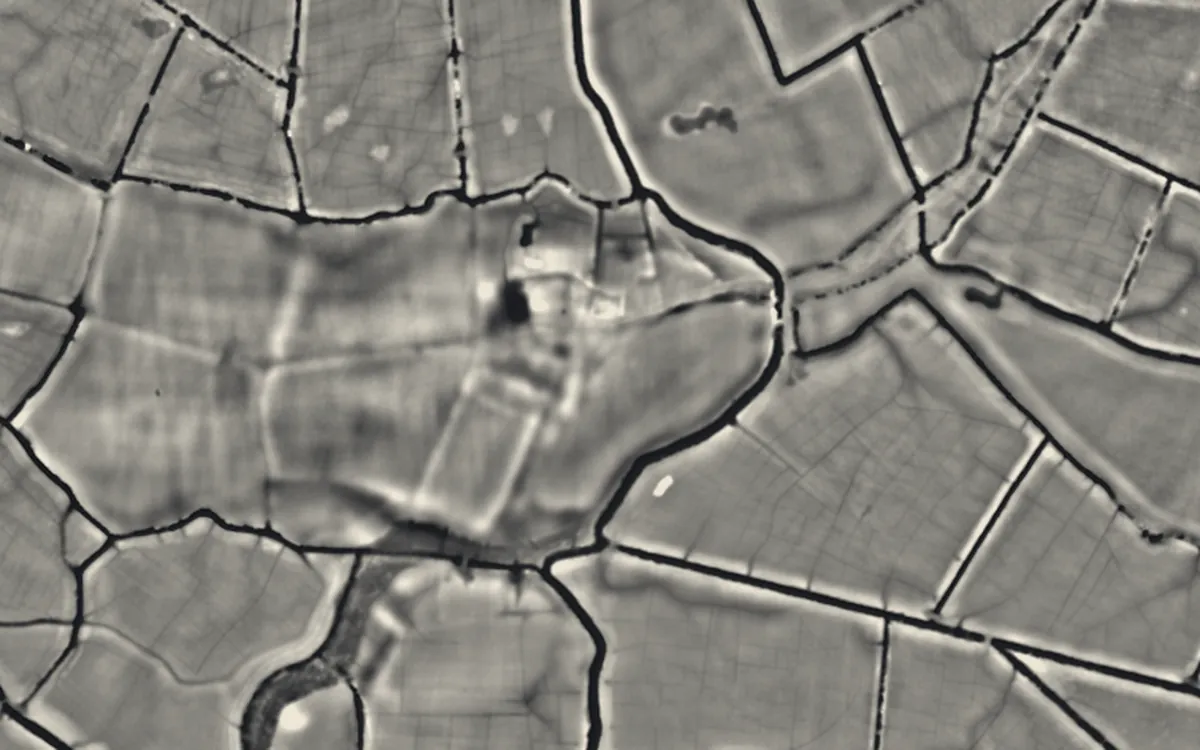 Remains of Northeye villageEast Sussex
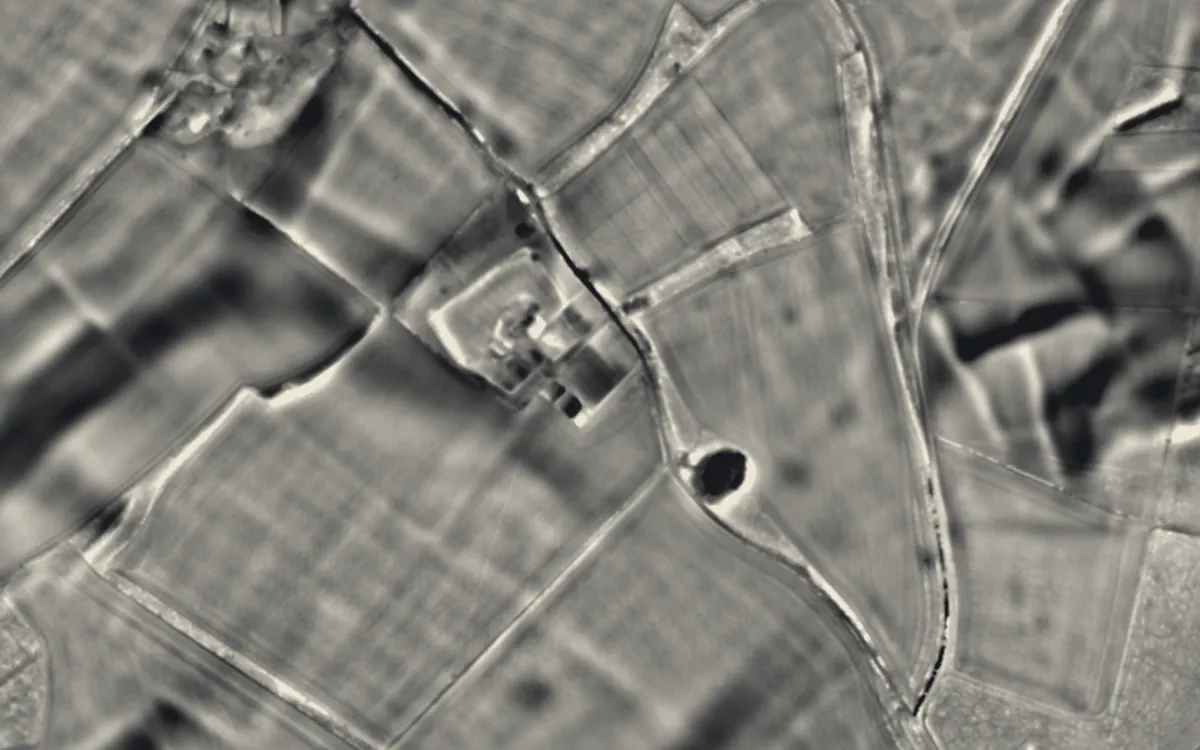 Lomer, deserted medieval settlementHampshire
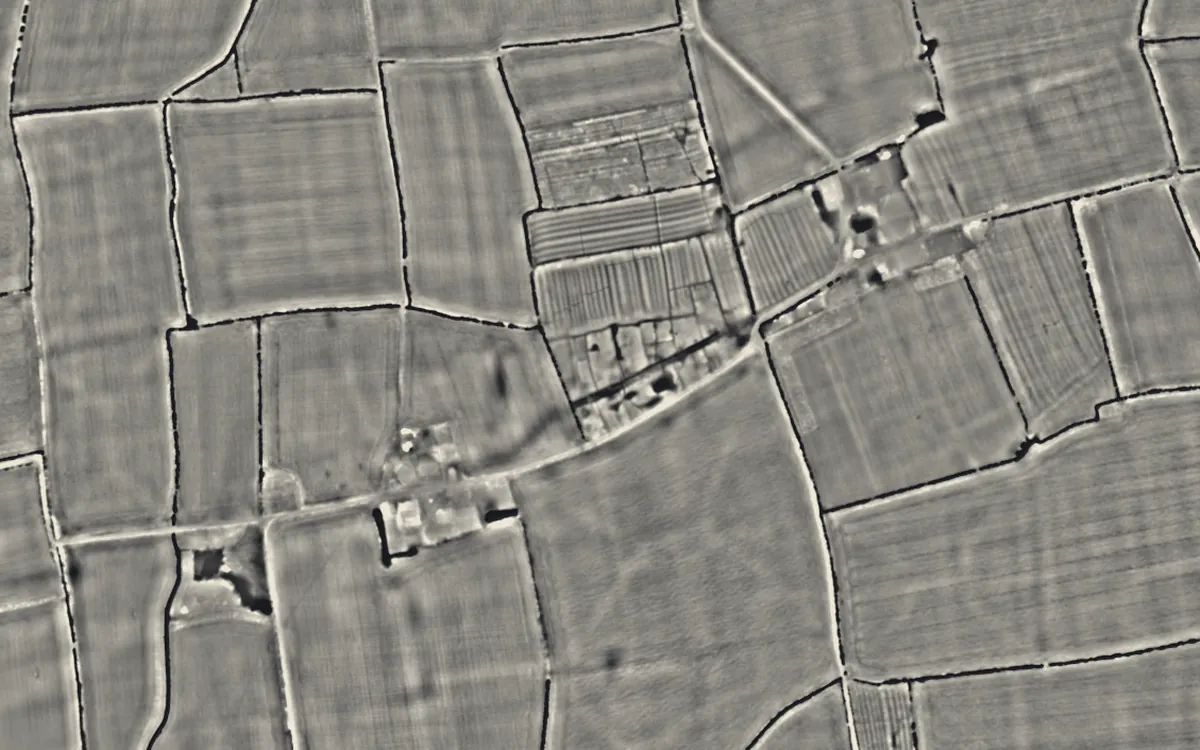 Coates medieval settlement and moated siteLincolnshire
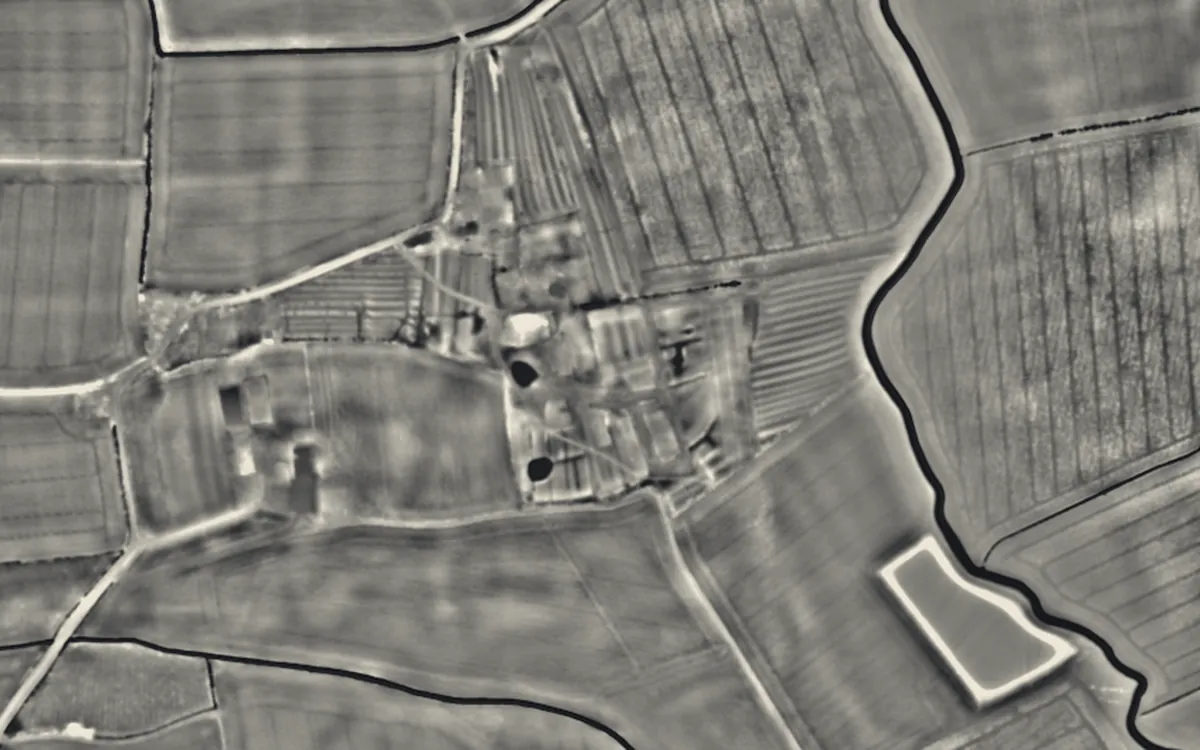 Cold Hanworth medieval settlement and cultivation remainsLincolnshire
Where they are
Counties with the most deserted medieval villages that have a page here.
- Norfolk3 with a page
- Lincolnshire2 with a page
- North Yorkshire2 with a page
- Northamptonshire2 with a page
- Derbyshire1 with a page
- Dorset1 with a page
- East Sussex1 with a page
- Hampshire1 with a page
- Nottinghamshire1 with a page
- Oxfordshire1 with a page
- Shropshire1 with a page
- Worcestershire1 with a page
More examples
- Bixley medieval settlementNorfolk
- Egmere medieval settlementNorfolk
- Waterden medieval settlement remainsNorfolk
- StainsbyNorth Yorkshire
- Wharram PercyNorth Yorkshire
- FaxtonNorthamptonshire
- OnleyNorthamptonshire
- Whimpton Moor medieval village and moated siteNottinghamshire
- SeacourtOxfordshire
- Medieval Settlement, south-east of Upton Cressett HallShropshire
- Rock Farm moated site, deserted medieval village and ridge and furrow, 100m SE of St Peter and St Paul's ChurchWorcestershire
Sources
- FISH Thesaurus of Monument Types (Historic England): Deserted Settlement
- Monument Type Thesaurus (Wales), RCAHMW: Deserted Rural Settlement
- Monument Type Thesaurus (Wales), RCAHMW: Long Hut
- Historic England, Introductions to Heritage Assets: Medieval Settlements
- Historic England, National Heritage List entry 1418546: Medieval settlement of Ashby St Ledgers
- Historic England, National Heritage List entry 1008552: Stormsworth deserted medieval village and fishpond
- Wikipedia: Deserted medieval village (cross-check)
- Relief Visualization Toolbox documentation: Simple local relief model
Last updated 2026-10-16.