Home Monument types Deer park
What is a deer park?
A deer park was an area of land enclosed to keep deer, for hunting and as a source of venison, usually a mixture of woodland and grassland. Its boundary, the park pale, was a large bank topped by a fence or hedge, usually with a ditch on the inside to stop deer escaping.
- Period
- Medieval and post-medieval; most were laid out between AD 1200 and 1350.
- Also called
- park pale, medieval park, hunting park, park boundary, deer leap
- Pages on Waystone
- 10 in England and Wales
What a deer park is
A few parks existed before the Norman Conquest, but it was the Norman aristocracy's taste for hunting that led to most of them being made, and Domesday Book (1086) records 36. Historic England dates the peak period of laying out parks to between AD 1200 and 1350 and estimates that the original number probably exceeded 3,000. Parks ranged from about 3 to 1,600 hectares, their pales usually followed a rounded, curving course, and some had deer leaps, which let deer into the park but not out. Many medieval parks were later turned into farmland or absorbed into the landscape parks of the 18th century.
How deer parks look on LiDAR
A park pale shows as a long bank with a ditch on its inner side, following a smooth, curving course that encloses a large area and often cuts across later field boundaries. A local relief model shows ploughed-down stretches of the bank, and sky-view factor shows the ditch, which helps to confirm that it lies inside the bank. Inside the park, earthworks such as lodge sites, fishponds, pillow mounds and earlier monuments that escaped ploughing may also show.
See LiDAR visualisations explained for what each method shows.
What can look like one
Woodland boundary banks, parish and estate boundaries, hedge banks and prehistoric linear earthworks can look like a park pale. Woodland banks usually have the ditch on the outside, while a pale usually has it on the inside, although some pales have an external ditch.
Protection
Some park pales are scheduled monuments and many parks lie within registered parks and gardens, and Historic England considers well-preserved, well-documented deer parks to be of national importance.
Examples on the LiDAR
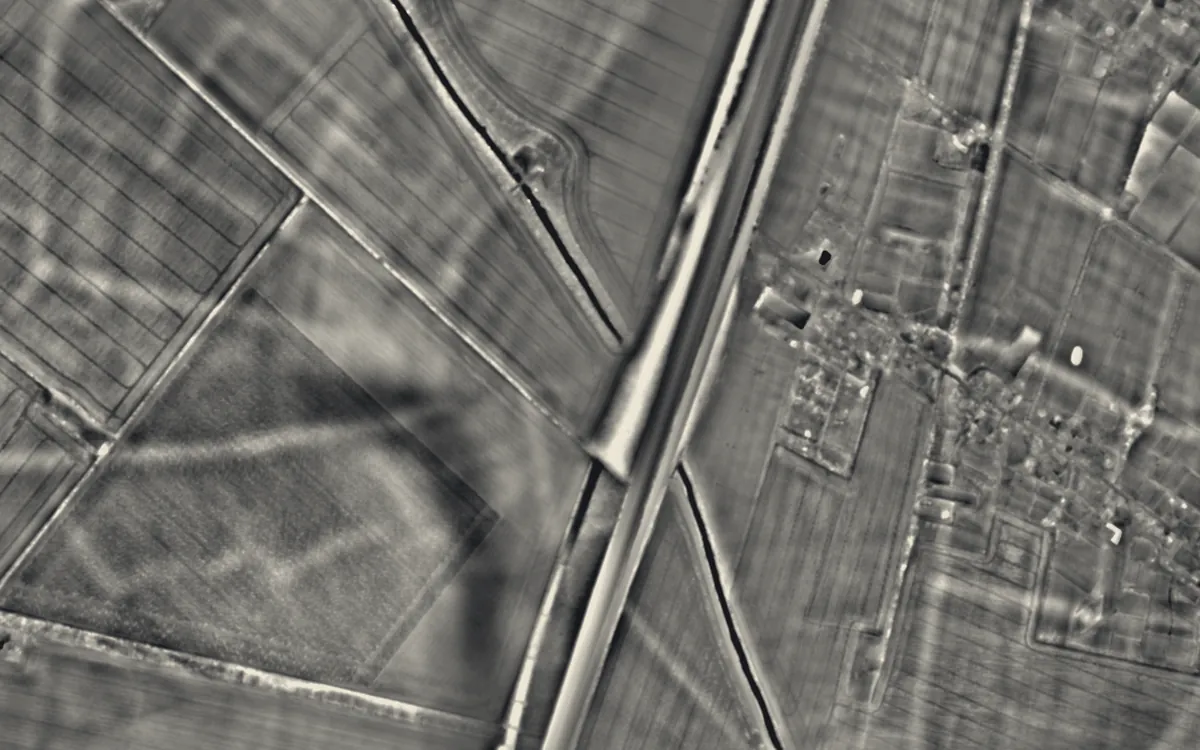 Brent DitchCambridgeshire
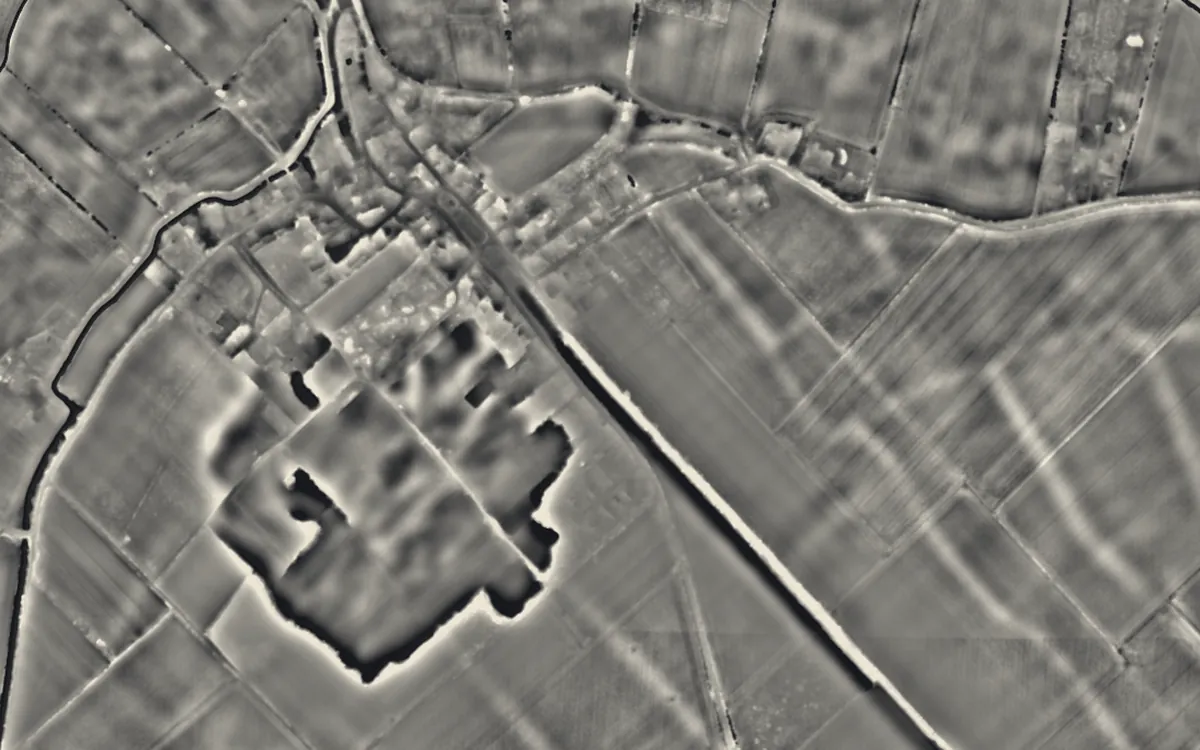 Devil's DykeCambridgeshire
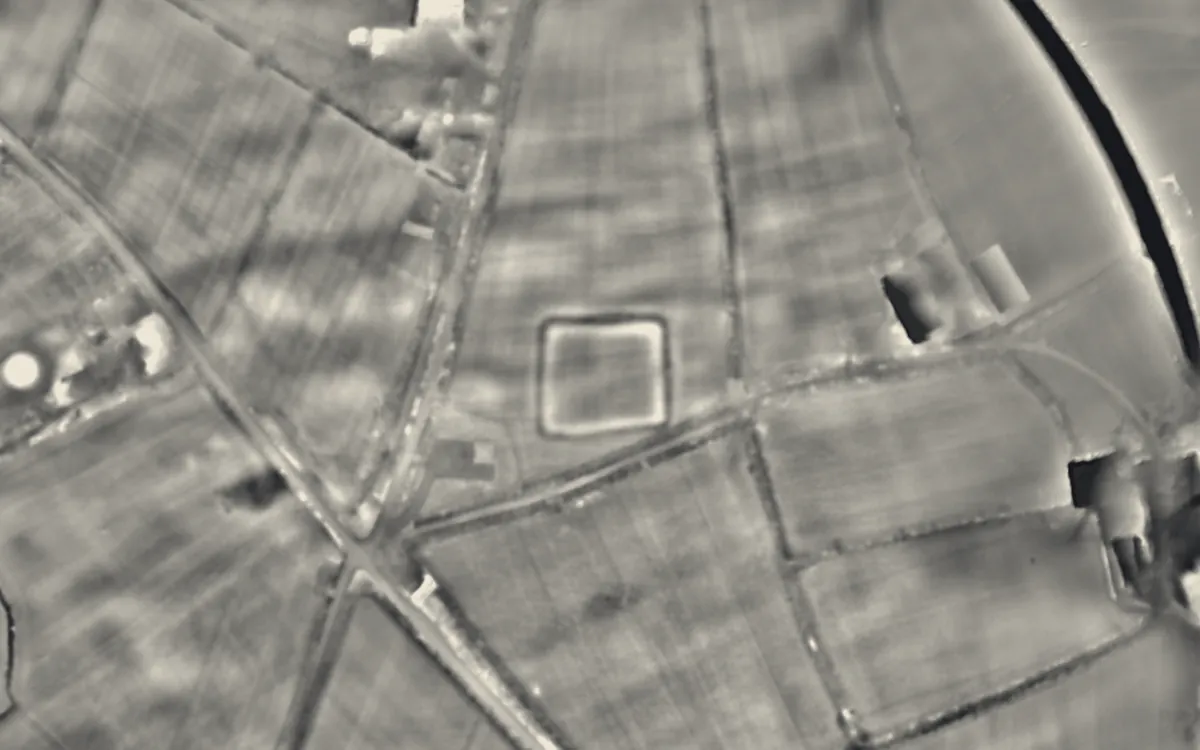 Broadbury CastleDevon
 Neolithic causewayed enclosure on Combe HillEast Sussex
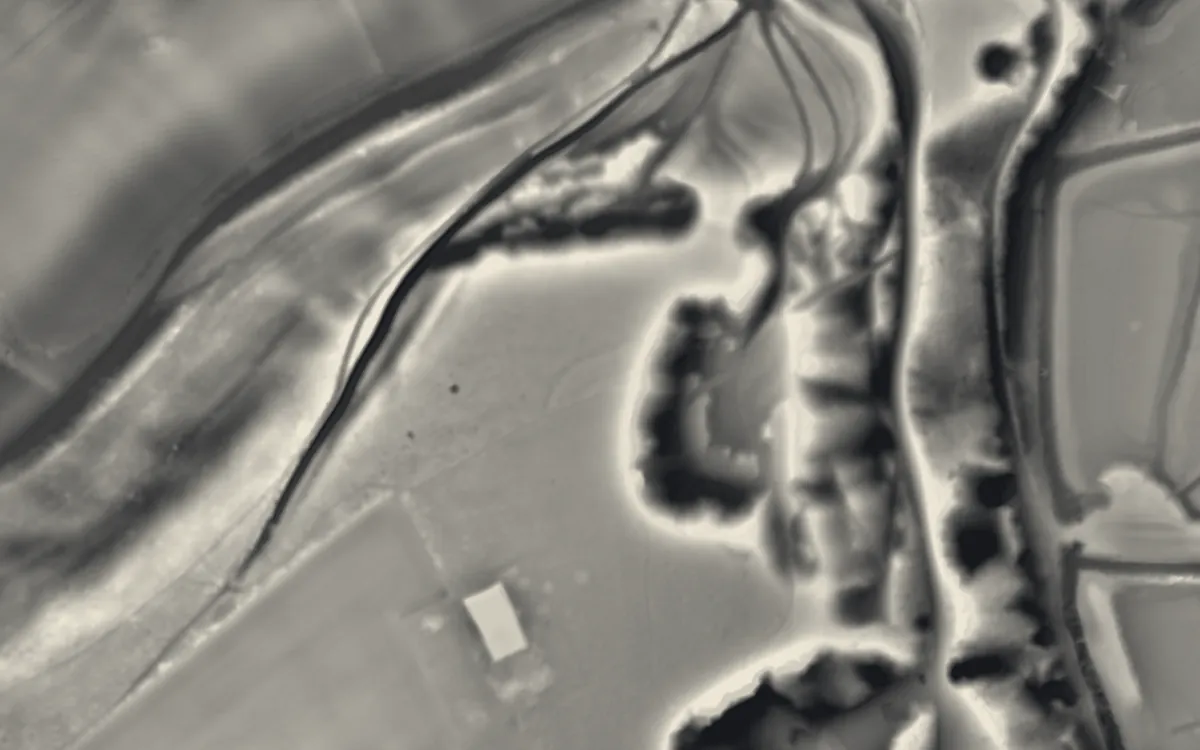 Offham Hill Causewayed EnclosureEast Sussex
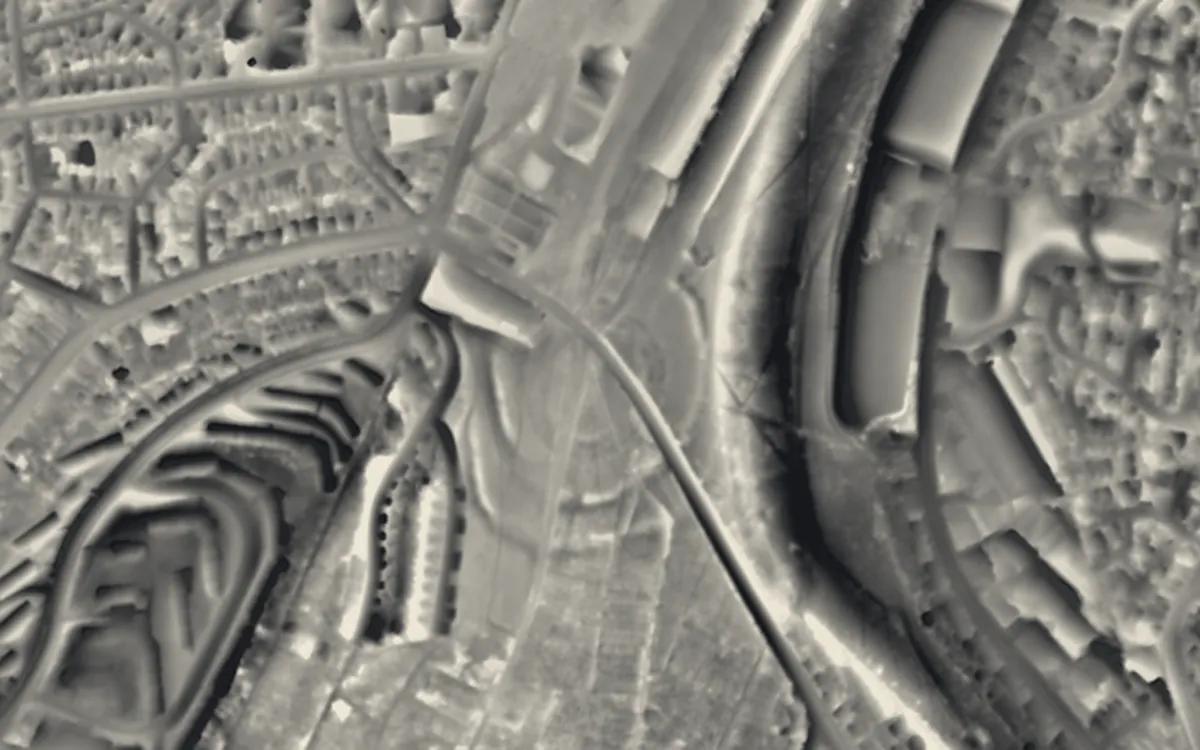 Whitehawk CampEast Sussex
Where they are
Counties with the most deer parks that have a page here.
- East Sussex3 with a page
- Cambridgeshire2 with a page
- West Sussex2 with a page
- Devon1 with a page
- Pembrokeshire1 with a page
- Wiltshire1 with a page
More examples
- Bedd ArthurPembrokeshire
- Barkhale Camp causewayed enclosureWest Sussex
- Neolithic causewayed enclosure and associated remains on Court HillWest Sussex
- Knap HillWiltshire
Sources
- FISH Thesaurus of Monument Types (Historic England): Deer Park
- FISH Thesaurus of Monument Types (Historic England): Park Pale
- Monument Type Thesaurus (Wales), RCAHMW: Deer Park
- Historic England, Introductions to Heritage Assets: Animal Management (deer parks, warrens, dovecotes, fishponds)
- Historic England, National Heritage List entry 1014143: reasons for designation (deer parks)
- Historic England, National Heritage List entry 1020184: reasons for designation (deer parks)
- Wikipedia: Deer park (England) (cross-check)
- Relief Visualization Toolbox documentation: Simple local relief model
Last updated 2026-10-16.